'/%3E%3C/svg%3E)

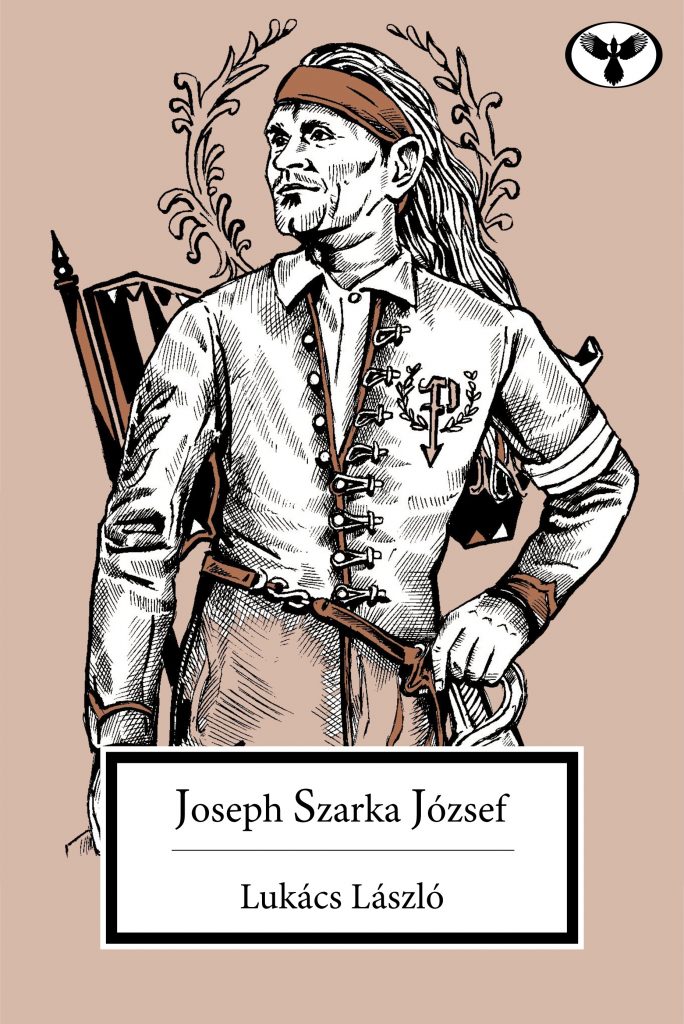
Tankcsapda: Light Is My Armor
László Lukács was born on 19 February 1968, and in early 1989, he formed a trio called Tankcsapda (Tanktrap) in Debrecen, the second most populated city of Hungary. He played guitar at that time and wrote punk-influenced rock song á la UK Subs and sung them vehemently. Their first demo titled Baj van!! (We Got A Problem) recorded in three hours (!) in November became legendary thanks to some instant classic among its eight tracks like Félre a tréfát! (Joking Aside), Szívd (Suck) and the title track. Their first album titled Punk And Roll was released in 1990 and cemented their position in the Hungarian underground. Their five-song demo in 1991 showcases a band turning from punk to rock (even featured an AC/DC cover) and is an excellent prelude to the career-defining album titled A legjobb méreg (The Best Poison). But things happened at a much slower pace in reality.
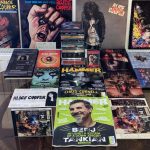
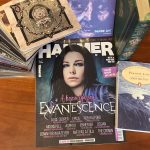
Around this time, I was writing for Metal Hammer Hungarica, and the editor of the magazine, László Lénard, was one of the first believers of the band. I met them in person first when I was the tour manager of the Brazilian metal band called Viper, supporting local supergroup Omen on their Brutális tangó tour. I met the guys from Tankcsapda before the show in Debrecen on 24 May 1992, and they handed me the demo tape mentioned above. Tankcsapda played as many concert as possible to build up a following. In 1993 Lukács switched from guitar to bass when Levente Molnár joined the band that led to a trio line-up iconized by Motörhead, a band that had a significant influence on Lukács and his company.
While the Sex & Drugs & Rock n Roll ethic translated into Loyalty & Abstinence & Progressive Rock in me, I was watching their career unfolding via great albums like Jönnek a férgek (Here Comes the Worms) in 1994 and Az ember tervez (Man Plans) in 1995 from a short distance, saw them in concert several times and we developed mutual respect, but I became an avid fan just a few years later. In 1996 they released a live album titled Eleven (meaning vivid in Hungarian) and an English/Spanish singing EP called ‘Cause for Sale, while the next studio album Connektor :567 was an uncertain, experimental effort in 1997. After a successful period with Rózsa Records, the band was losing focus and started looking for a new label to help them reach the next level in their career. Laszlo Szuts, a former contributor of Metal Hammer Hungarica as well, signed them to Sony Music in 1999, where I was working with him as marketing manager. Tankcsapda recorded a great album titled Ha zajt akartok (If You Wanna Noise) that year, but the arrival of new drummer Tamás Fejes gave the band a new dynamism they lost somewhere in 1995. The first song and video recorded by this line-up was Mennyország Tourist (Heaven Tourist) brought me much closer to the band, and this was the first release where we as a label actively participated in creating new plots to extend the reach of the band. The first album cycle was good for us to learn the band and get familiar with their vision, and we were able to add to the mix those skills we learned from working for a major label. We were fortunate to work with The Offspring at that time since that experience gave us many ideas on how to approach a punk rock band that is cautious of anything new and corporate, not wanting to alienate their fans. Maximally respecting their care for die-hard fans, we were convinced that a wider audience would adore the catchy melodies and meaningful lyrics of Lukács. An audience we can reach via radio, so we convinced them to allow us to produce some remixes of the current single and service them to radios. And national radio station called Petőfi started to play the Neo version of Mennyország Tourist in heavy rotation, and the related compilation album called Tankológia out-sold every previous album of the band, we presented gold plaques to the musicians after selling 20.000 CDs and MCs. And this was only the beginning of the story.
To maintain the band’s momentum and bridge the gap between albums, we convinced them to release EPs. We were successfully experimenting with the format with a local hip-hop artist, so Ez az a ház (This Is the House) was released on CD and MC and went gold as well as the subsequent album Agyarország. The title is hard to translate into English because it is a wordplay around our country’s name (Magyarország), where ország means country, and magyar is the nation’s name. Agyar means fang, so the new expression refers to our quarrelsome nature. Fangary.
In 2003 we repeated the EP – LP cycle with Szextárgy (Sex Toy) and Élni vagy égni (To Live or to Burn). The first single was not my cup of tea, but the making of the video was a great learning experience for me, and it was exhilarating to see that Tankcsapda became the most successful local artist of Sony Music by that time, and in the meantime, I was asked to run the Hungarian affiliate that gave a brand new perspective to everything I did before.
At that time, I was playing futsal with friends on Friday evenings. One night, we were drinking our soft drinks after the match, chatting, discussing the past week’s highlights when my phone rang. Lukács was on the line and informed me that they have finished mixing the new album, and if I would like to give it a listen, they would be glad to play it to me. I drove to Dunakeszi without any delay and entered the studio before midnight to listen to the greatest album Tankcsapda ever produced. It was a special moment for me. The moment of trust. After knowing each other for a decade, working together for five years, the mighty Tankcsapda, who exactly know its next steps for years, asked me what I think about the new songs. It was evident for me that Örökké tart (Last Forever) is a huge crossover hit, but we have to release the heavier, but incredibly catchy, Adjon az ég (The Sky Grant Me) as the first single, not to frighten fans with the first ballad of a 15-year career. The band agreed, and we produced the best Hungarian music video ever with Péter Herz, who directed the short film.
This song is an ultimate keytrack for me; it had been the theme song of my life for years. I screamed the lyrics along with Tankcsapda in my car when I drove alone, just like the video’s protagonist. Watching the music video always makes my hair stand up on the back of my neck, but you cannot imagine what I felt when I learned that soon after the video’s premiere, Lukacs suffered a near-fatal accident in skydiving. It was his last jump. Not because of fear, but he would not want to risk the career of Tankcsapda that gives work for a lot of people he cares for. This is one of the songs that made me believe him to be a prophet. And Örökké tart (Last Forever) gained a more profound meaning after the accident. It became a smash hit on radio, had been in the top 40 for 104 consecutive weeks, propelling the album into unprecedented heights for a rock band in Hungary.
Lukács was deeply involved in the affairs of the world, resonated with it, and he delivered answers in his songs way before I was able to find a solution to a pressing social problem. He has been ahead of the curve for years. As A fény a fegyverem (Light Is My Armor), the album’s closing track gained deeper meaning for me years later. Our ways parted when the Sony BMG merger happened in 2005, but I’m still buying each new Tankcsapda album on its release day to check what Laszlo wants to say about the world.
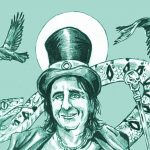
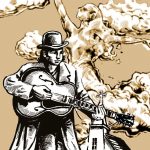
(Artwork by Csaba Mester)